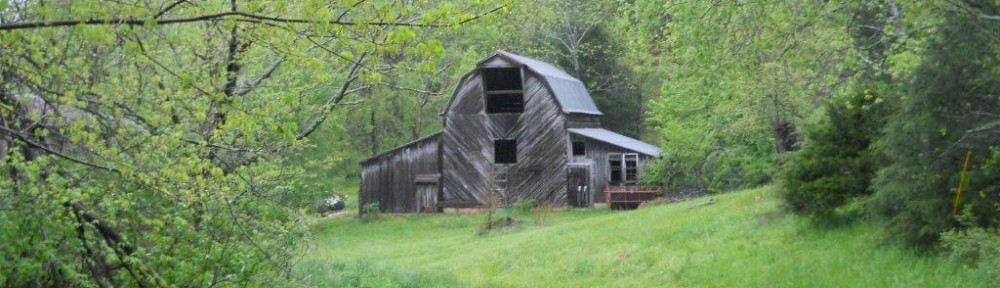
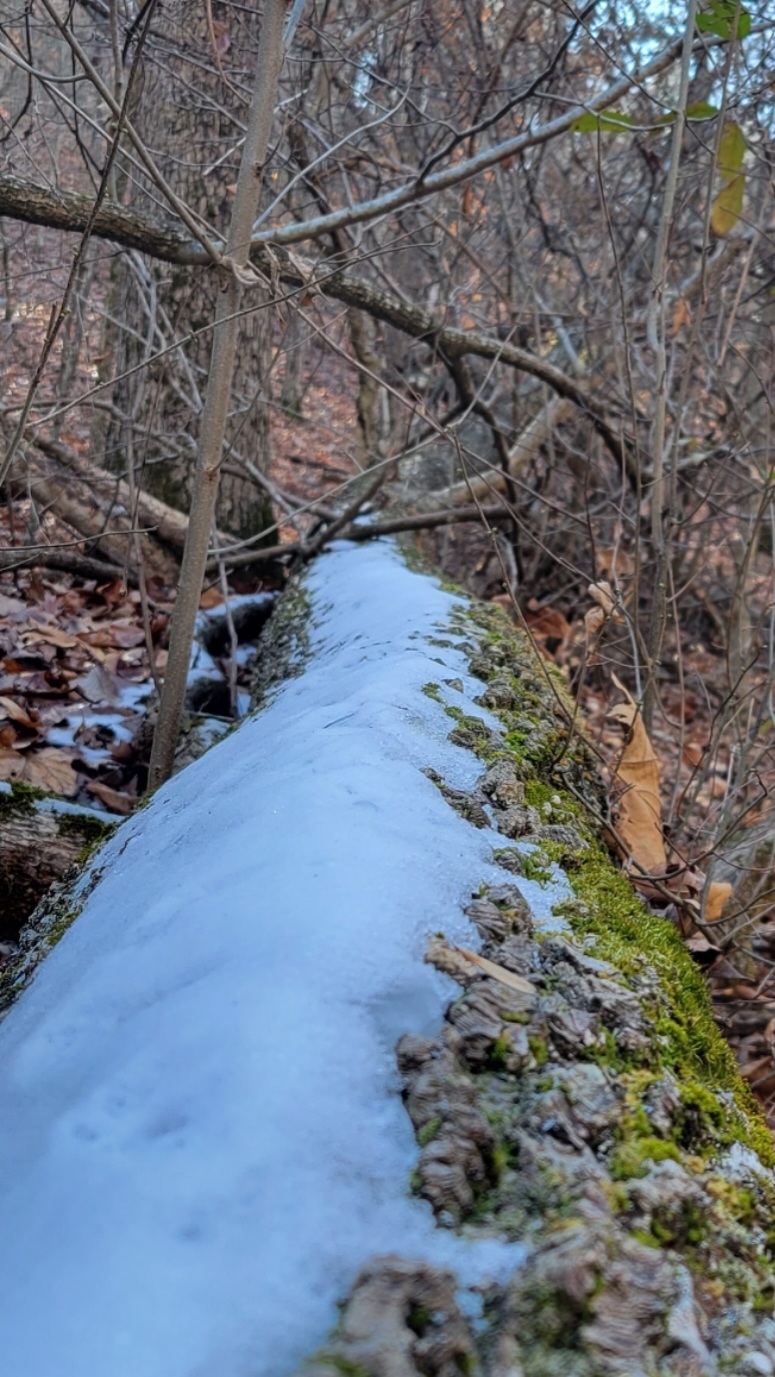
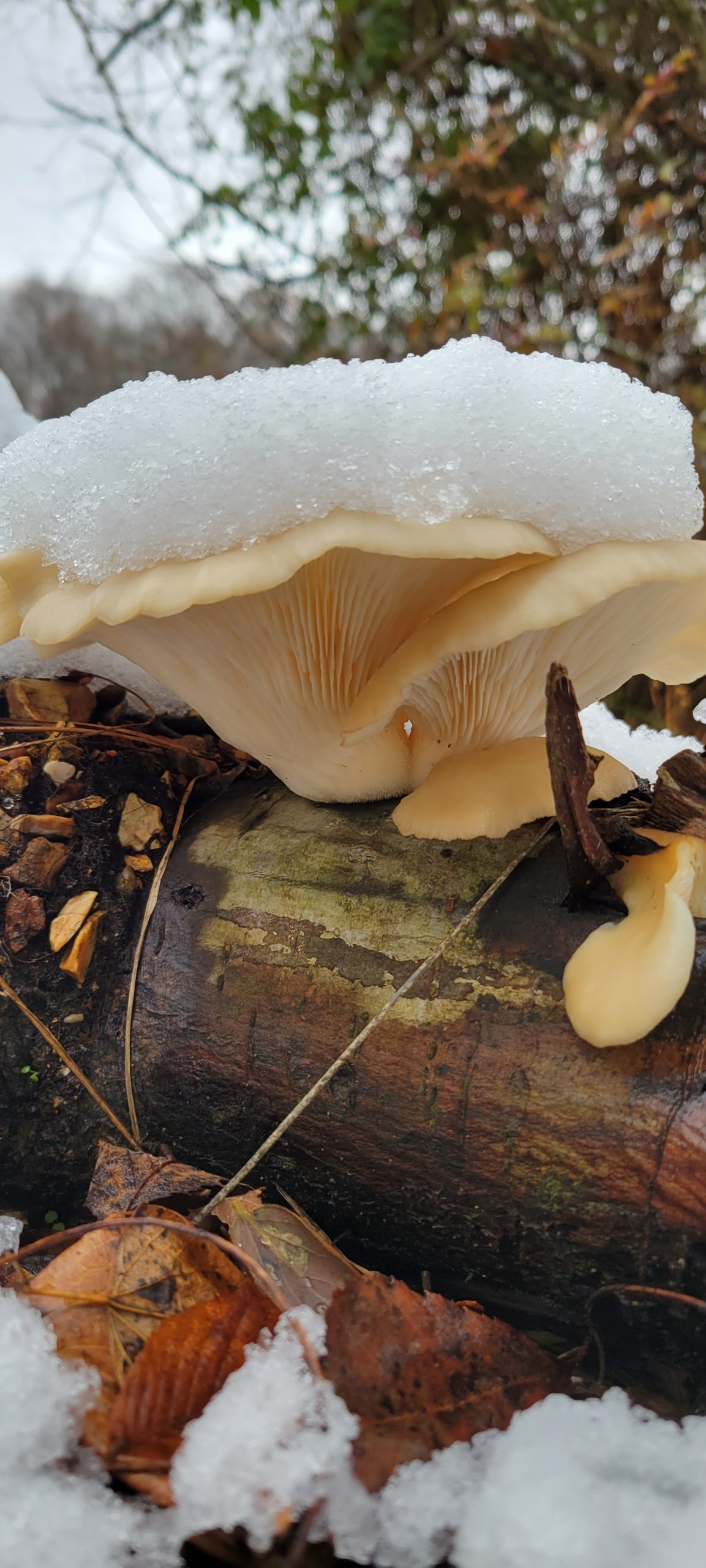
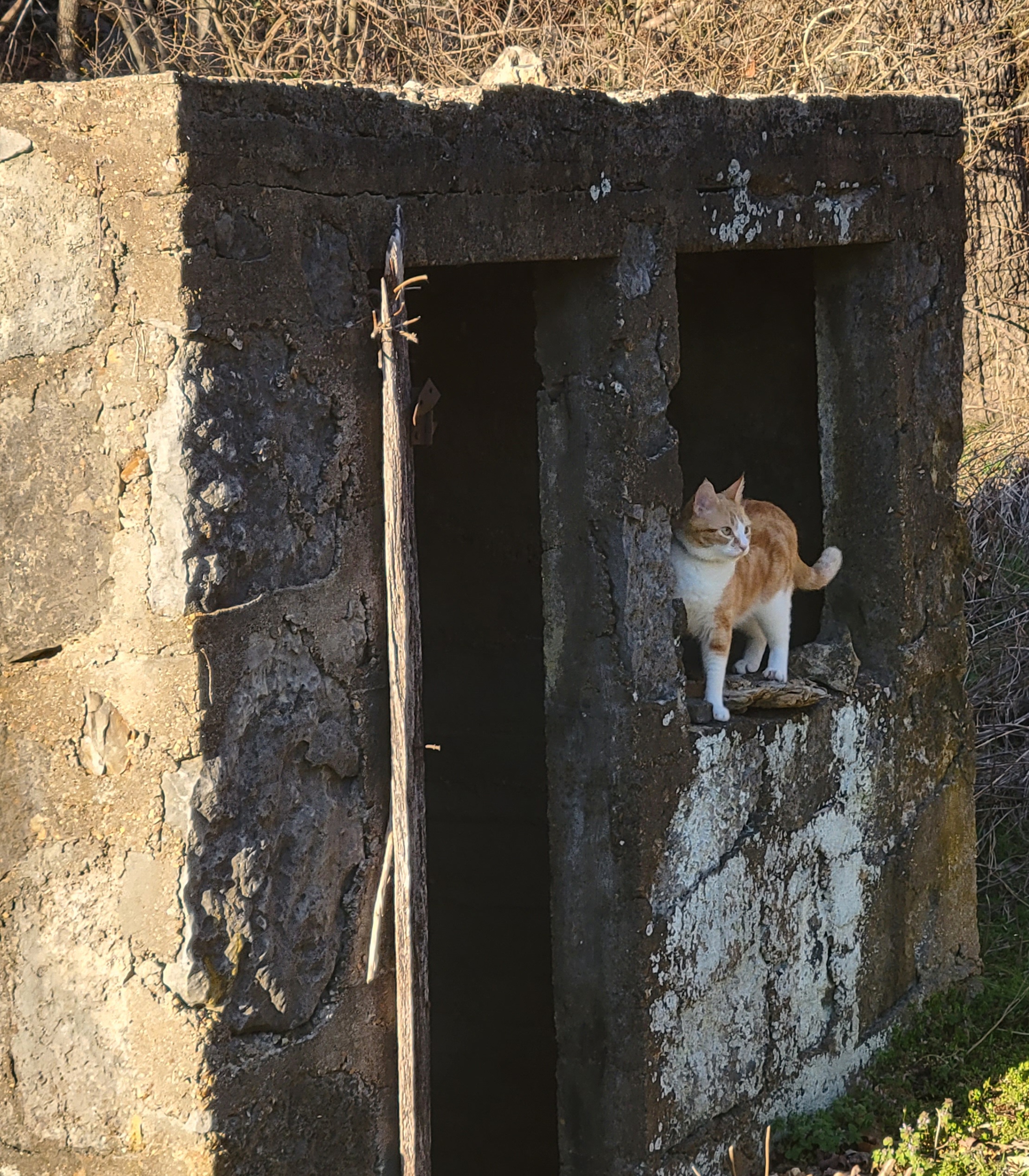
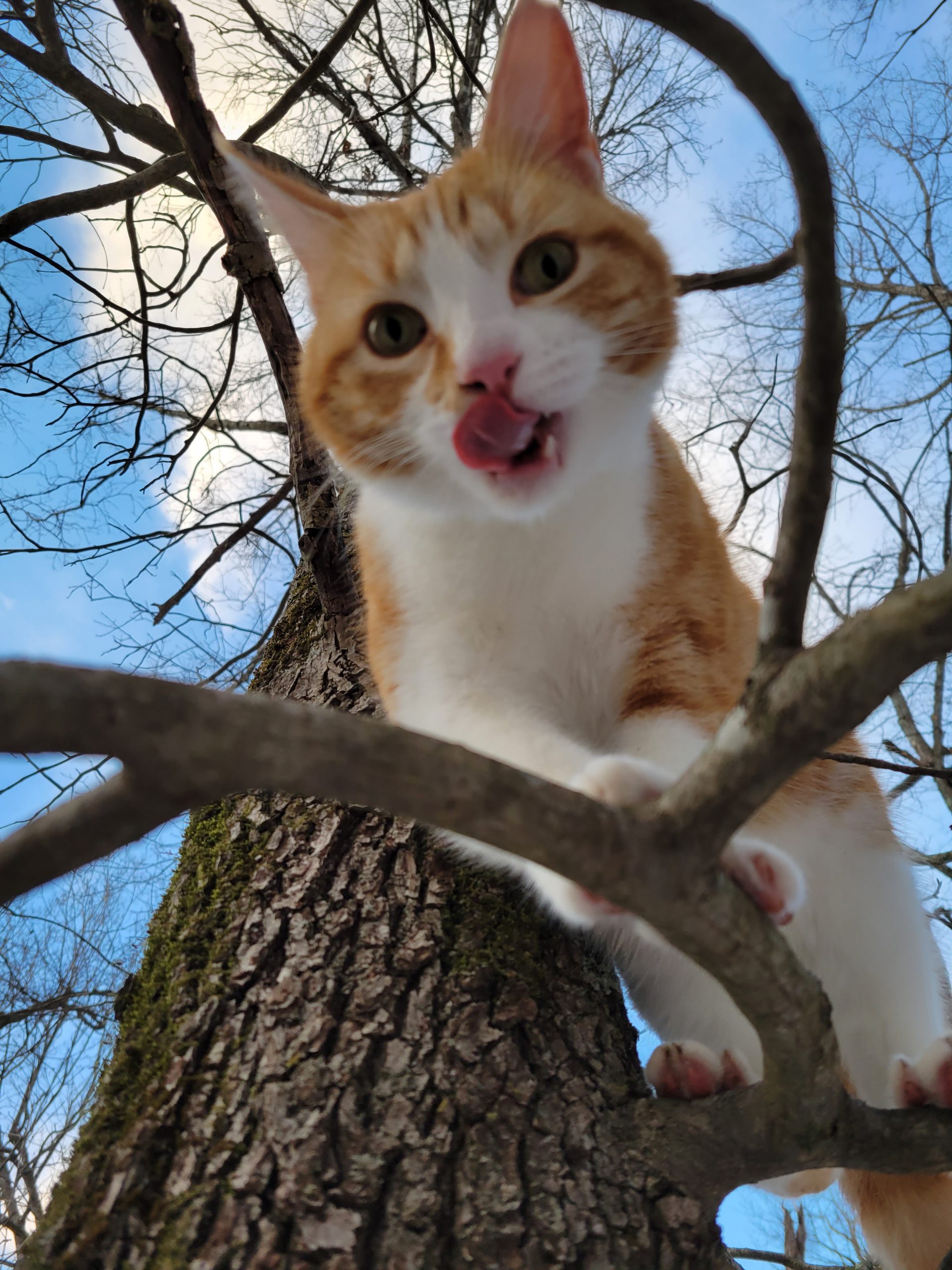
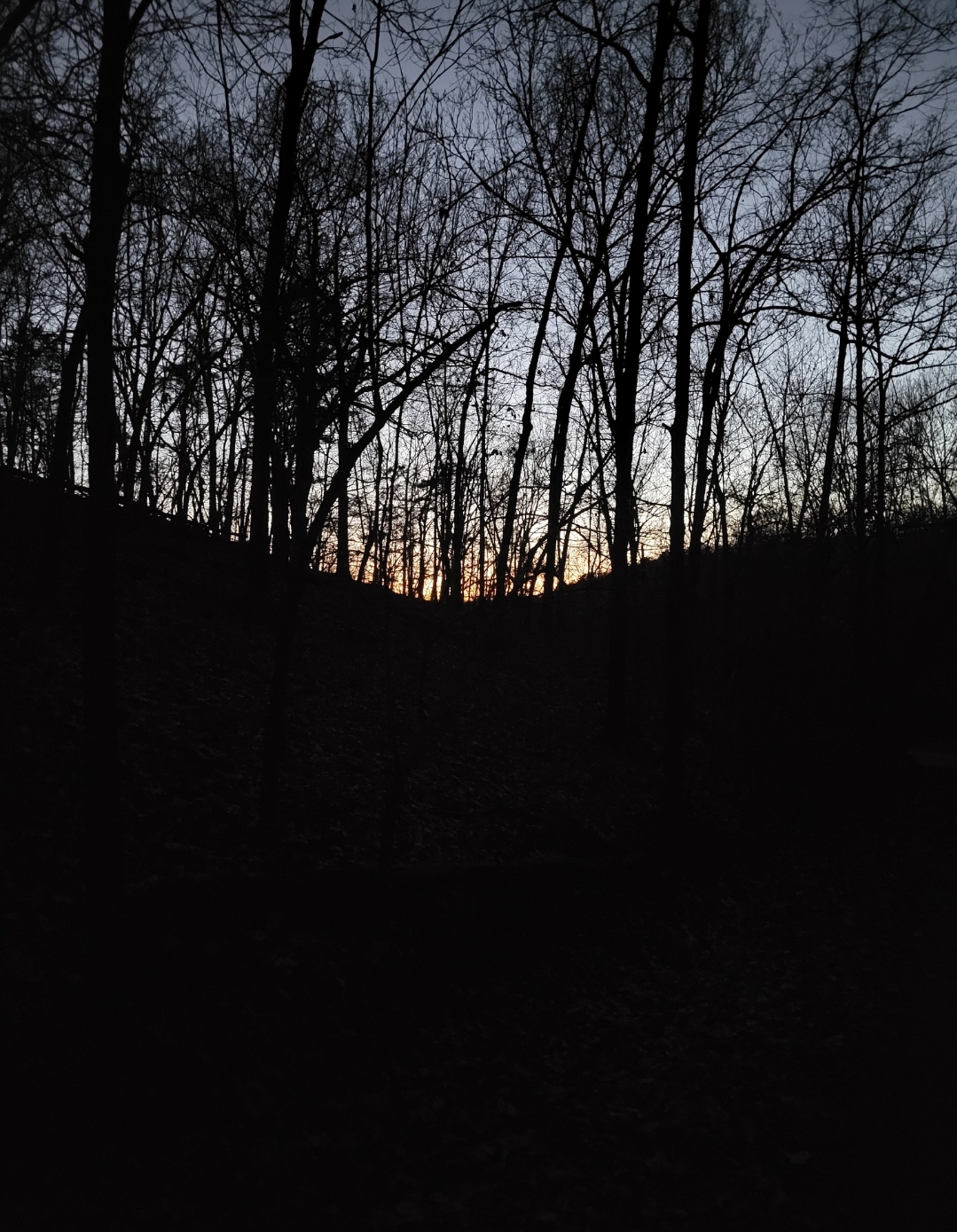
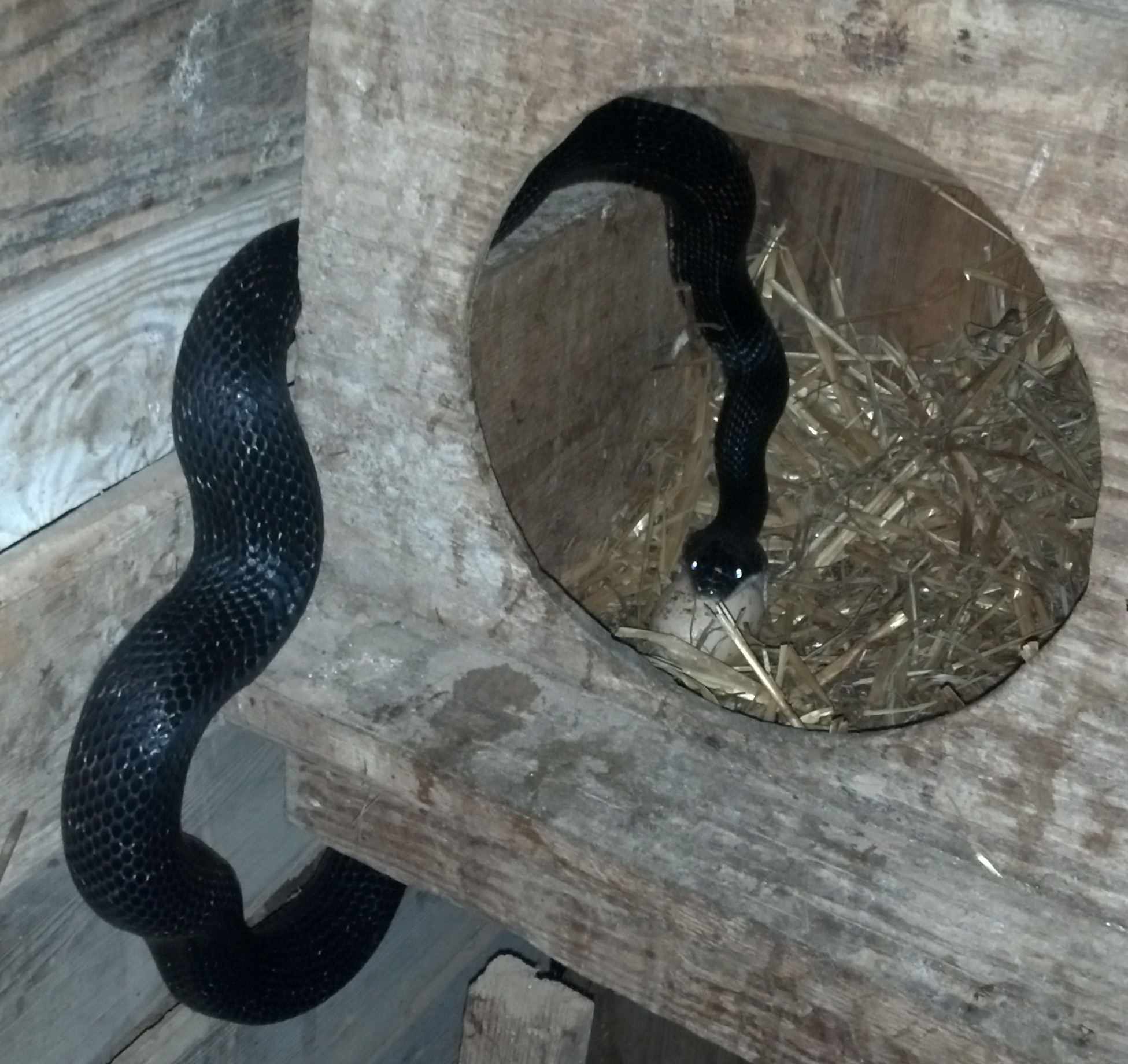
Just completed the “Hollow Walk” with a local gentleman with whom I’m acquainted. This mile long walk is called such as it starts at the head of the hollow (where the spring emerges) and stops at the end of the property. This is the easiest hike possible in the hollow as it only has a gentle slope as you stroll along the old wagon road that runs parallel to the creek. (There’s a short side route that makes the walk come out to a mile.)
Later this week we shall be receiving a party of guests from more southern climes and we’d hoped some snow would remain for them. Alas, each passing day erases more.
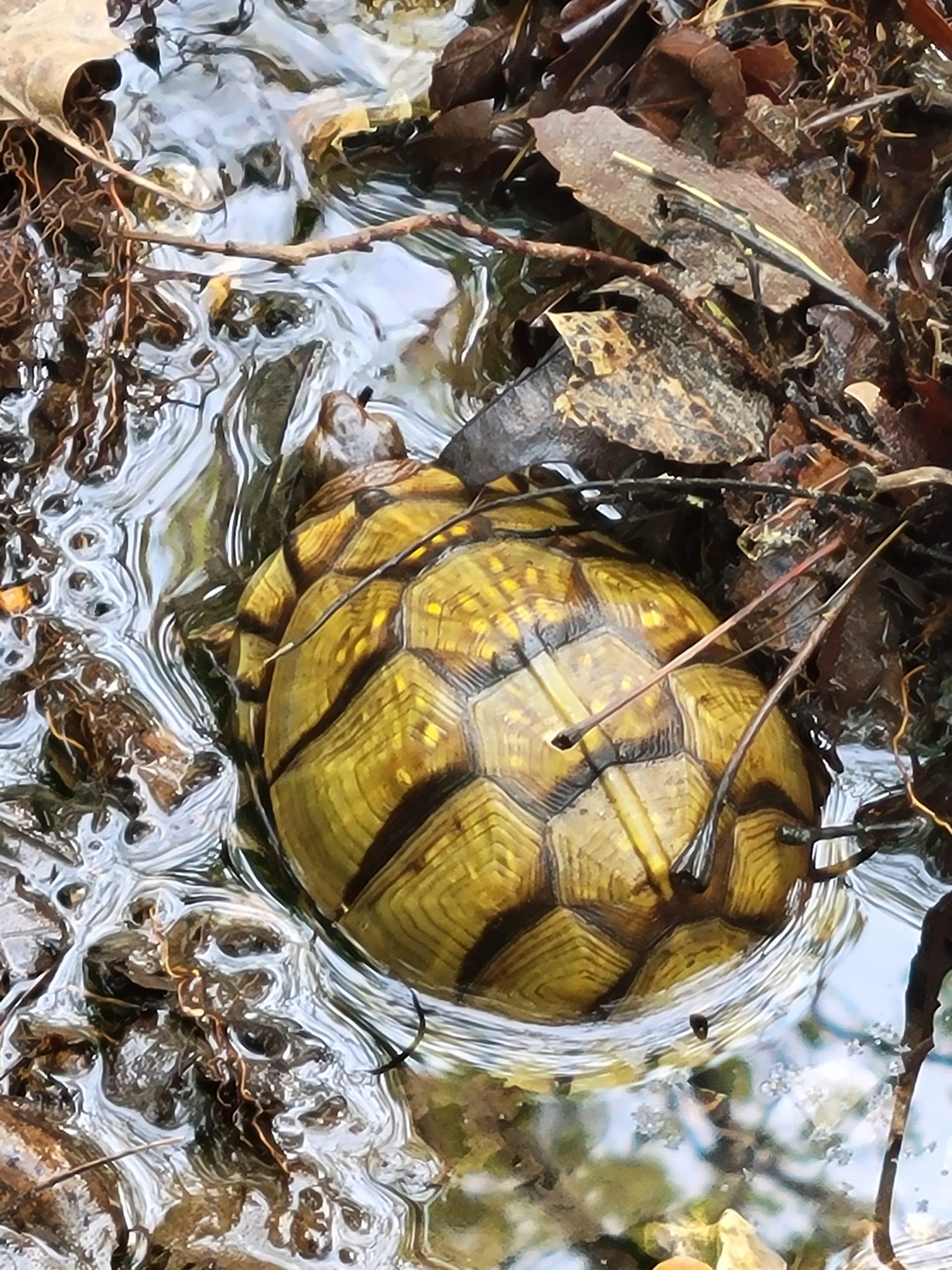
Just walked down to the last permanent pool of water on the place and noticed this beautiful box turtle or terrapin. It’s the fifth individual I’ve seen in the last couple of weeks in the hollow.
I had been anticipating today for several years as the National Archives in Washington DC released the information sheets from the 1950 Census. I imagined all of America gathered around the screens of their iPads and laptops and UNIVACs, waiting for the appointed hour when they could dial up the internet and see what was said about their family 72 years ago. First I looked at the page for state highway 21 north out of Berryville, Arkansas. Yep, there’s Jack and Betty McCall and eight of their children living on a farm. Next, I hopped over to Eureka Springs at the corner of North Main and Magnetic to see McKinley and Lola Weems and their first six children. It’s noted that in the week prior, McKinley had worked sixty hours as a self-employed electrician. Then I followed Magnetic Road east out of town, gaining elevation passed the Lents to the top of the hill where George W and Lulu Weems had a farm exceeding three acres. George W was a self-employed carpenter who was looking for work, but had been unable to work the previous week. I wonder why, though I also remember he was born in 1880. Now straight south through all the familiar names of Winona Township to the Mason Bend looking for Southerlands and back up Kings River for more McCalls. No revelations, but time well spent.
A few days ago when it was a miserable 85 Fahrenheit (only 38 today), I took a shortcut through tall brush and got a spiderweb across the face (and mouth).
White-tailed deer are ubiquitous here. I see or hear them most days and though I rarely look up, I try to be friendly. “Evening, ladies.” If they kick up their heals in unnecessary melodrama, I’ll say, “Oh, dear!” out of habit. Sometimes the yellow dog will make a perfunctory run at them barking crazily for a few seconds before turning expectant eyes upon me. Even if I don’t look up, I’ll acknowledge his effort. “I admire your bravery, she nearly had us.” Normally, she’ll move off a short distance and continue whatever she’s doing. (Lately, however, they sprint off towards the woods, crashing up the hillside for an inordinate length of time. I have a theory.) There have been times when a doe gets aggressive with whatever generation of dog is here. I’ve seen several different alarmed and then frightened dogs over the years when the prey becomes the aggressor. (Normally, there’s a fawn bedded down nearby.) I say all that to note this. I have very few photos of deer, mostly because I rarely pullout my phone. And when I do try to get a photo, they never seem to turn out. Like this one perhaps. Seven deer were hanging out behind the house, browsing and sipping spring water and this was the best I could do.
Not long after the morning sun had crested the rim of the hollow, we headed for the woods. As always, Shrek led the way through the old garden, across the dry branch and into the blackberry field. Between the big rocks and the creek, I suddenly heard the music of large wings and turned to see Shrek sprinting toward a barred owl slowly lifting out of the buck brush. Fumbling for my phone, the magical creature landed high above in the cacophony of branches, then jumped from one to another to another until I lost track of it. Still struggling to unzip the inner pocket, I lowered my gaze to Shrek bursting triumphantly out of the undergrowth with a headless gray squirrel in his mouth. Perhaps the proudest moment of his yellow life, taking prey away from a great owl of the forest, he pranced home for a treat and an hour nap in his bed snoring with rare contentment, the walk forgotten and the squirrel left on the front porch.