A Little Possum in the Dog Food

I reached into the dark tub of dog food and jerked my hand back at movement. This is what I saw.

possum ozarks weems "eureka springs" arkansas

Just a cute little Didelphis virginiana, I says to myself. What to do? It will have a broken neck if the dogs get hold of it. When the coast was clear, the cute little Virginia Opossum was transferred to a cage for transportation and loaded into the back of the Land Cruiser.

"Virginia Opossum" "Land Cruiser" "Eureka Springs" Ozark Arkansas

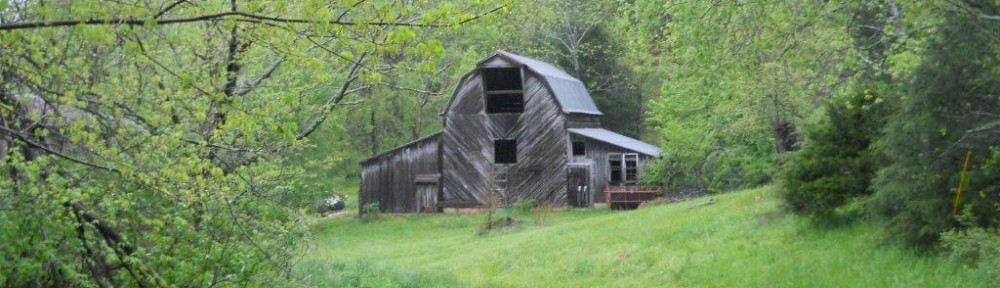
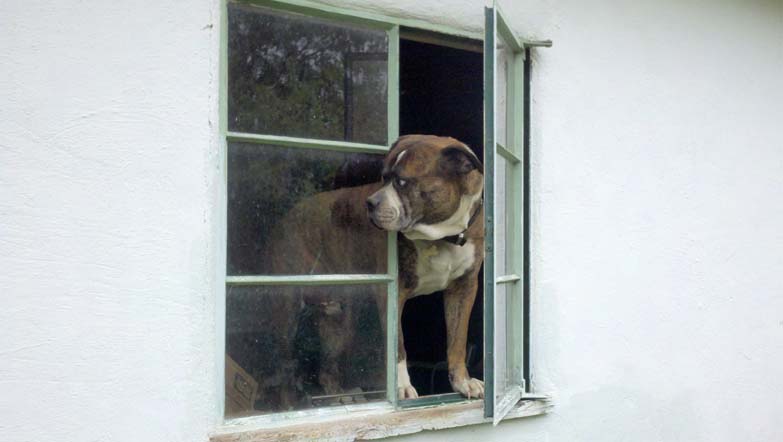
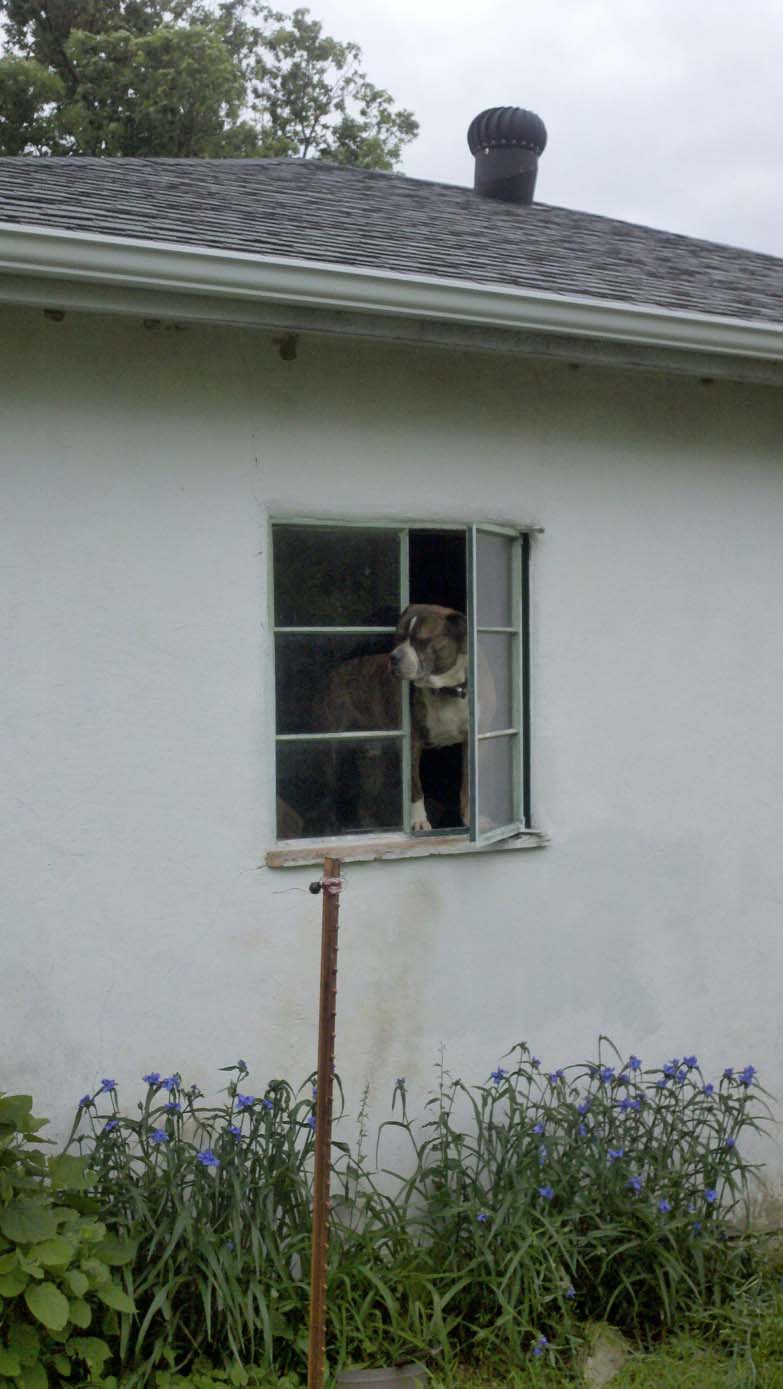
Just as it was let loose in the tall grass on the hill behind the barn, up come two dogs. The dogs’ attention was easily diverted by offering them a ride in the Land Cruiser.

Don’t Make Me Angry…

Directly behind our house there is a spring that is the beginning of a small creek. Much of the water is captured in an 800 gallon storage tank built into the hillside in the 1940s. The overflow water from this concrete holding tank seeps into the ground and normally flows placidly out of the bottom of the hill.  Theory has it that this spring, which has not gone dry in the past 100 years, is fed by an underground lake inside the mountain that forms our eastern border.

Notes from the Hollow Ozark water spring

This gentle spring, home of happy salamanders and shy crawdads, becomes increasingly angry as rain falls. After the recent foot of rain fell, the spring voiced its indignant displeasure with an engraged roar that could be heard from a surprising distance. The photograph above displays the beauty of the spring, but not the anger.

Turn Around – Don’t Drown

Here in the hollow we’ve received about ten inches of rain in the past week. That is a lot of water. It manifests itself in our normally placid springs roaring with anger and temporary creeks appearing in unexpected places. All of this water heads for Keels Creek and then makes a left-hand turn into the Kings River.

The USGS monitors the Kings River at the Grandview Bridge not too far from here. It’s not unusual for the river to be knee deep at this spot. Three days ago the river crested at 35.47 feet at the Grandview Bridge, the 5th highest depth on record.

We observed the river from the bridge when it was about 27 feet deep and it was a muddy, rolling sight to behold. My understanding is that the bridge went underwater when the river crested and the highway was closed. The slogan used for times like that is “Turn Around – Don’t Drown.”

Trigger Gap

This is what remains of the old Kings River crossing at Trigger Gap. Ozarkian.

Now you can cross the Mighty Kings River and not even realize you’re on a bridge. Modern American.

Highway 221 Kings River Bridge

Upon a Winter’s Bat

I was surprised at dusk to look up and see a large solitary bat at treetop level flying slowly toward the creek that drains the biggest spring in the hollow. Even with the warm weather the last few days it seemed early to see a bat – but then I do not know much about these fine, non-feathered friends. In moments of mammalian confusion there is only one person to turn to: Dr. John A. Sealander, my boyhood hero. Since that is actually impossible, I pulled his book off the shelf and cracked it open toward the front where I knew the bat section to be. A Guide To Arkansas Mammals should be in every Arkansawyer’s reference section, both for practical and patriotic reasons.

Reading Professor Sealander’s thoughts on the topic I was able to narrow down the type of bat it could be. The bat I saw was unlike the normal little things we see every spring and summer, flitting around in crooked lines as if intoxicated. This bat’s sheer size and that it flew around in an orderly fashion on a warm winter’s day at twilight were clues to its identity.

A dozen or more types of bats inhabit this part of the Ozarks, but only four have the obvious characteristics my untrained eye observed. From what I read, my guess is I saw the common Big Brown Bat, but I really don’t know.  It could also be a Red Bat, a Hoary Bat or an Evening Bat. I think of bats as eating mosquitos, which the little bats do, but these big ones sometimes eat things like wasps and June bugs. Interesting.